 cord
cord10 Subtle Signs of a High Performer
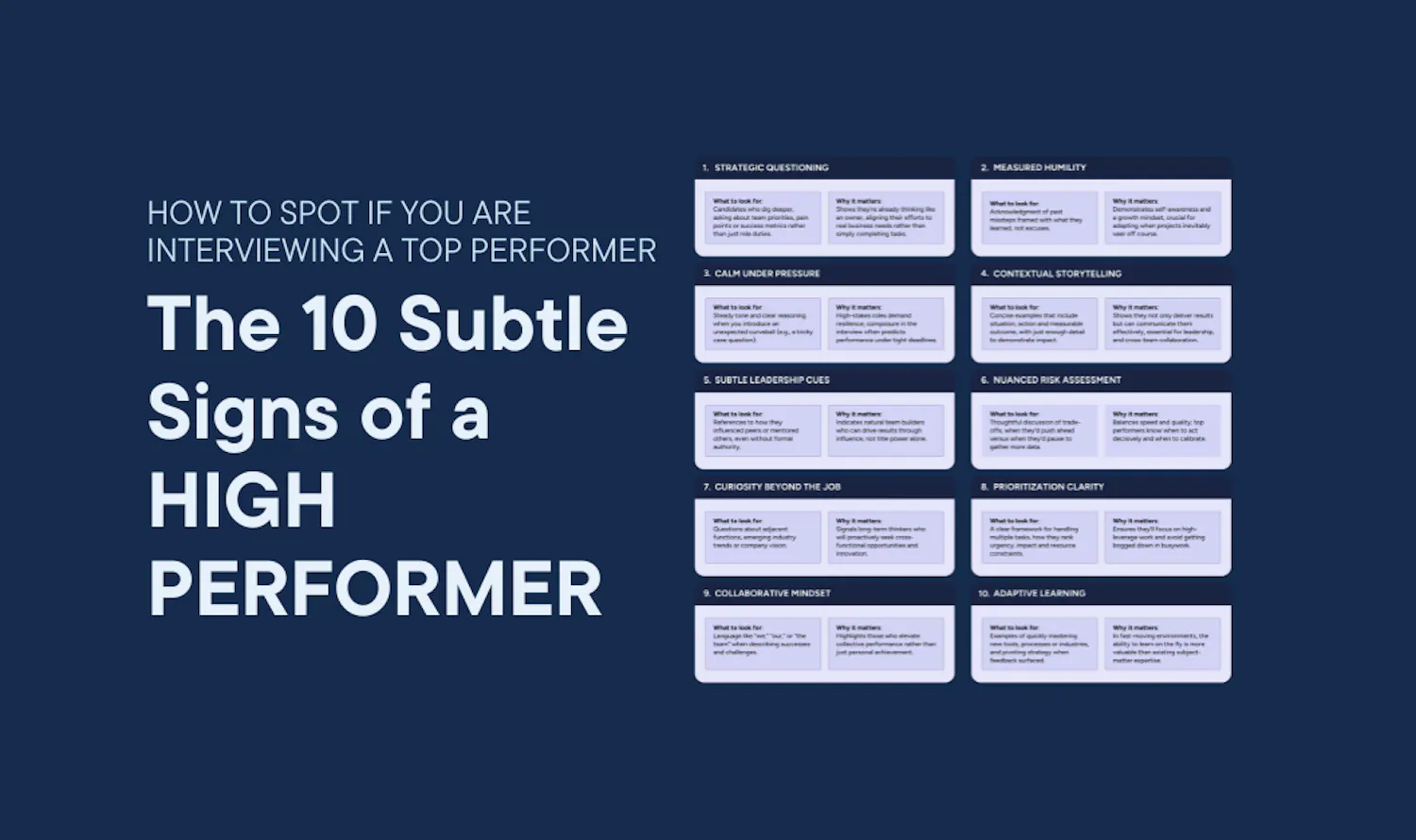
How to spot if you are interviewing a top performer
Most interviews reward overconfidence and self-promotion, but these traits rarely predict lasting success. The candidates who talk the loudest or present the most polished answers often aren't the ones who will drive real results in your organization.
True high performers reveal their value in unexpected moments: asking incisive questions, owning mistakes without defensiveness, and remaining composed when it matters most. While many hiring managers focus on surface-level credentials and rehearsed responses, the real indicators of exceptional talent are far more subtle.
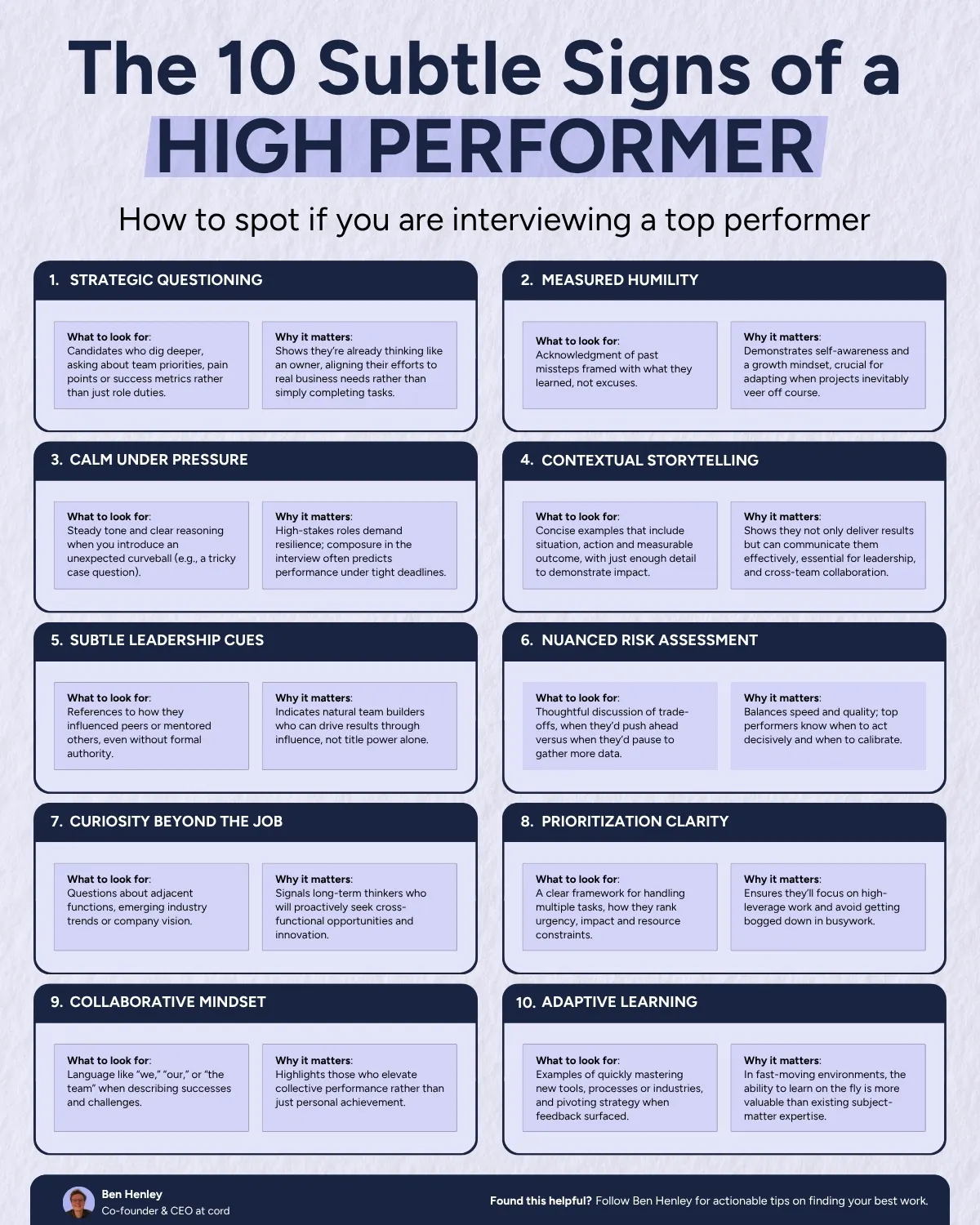
Here are the 10 subtle signs you're interviewing a high performer that most people miss:
Strategic Questioning
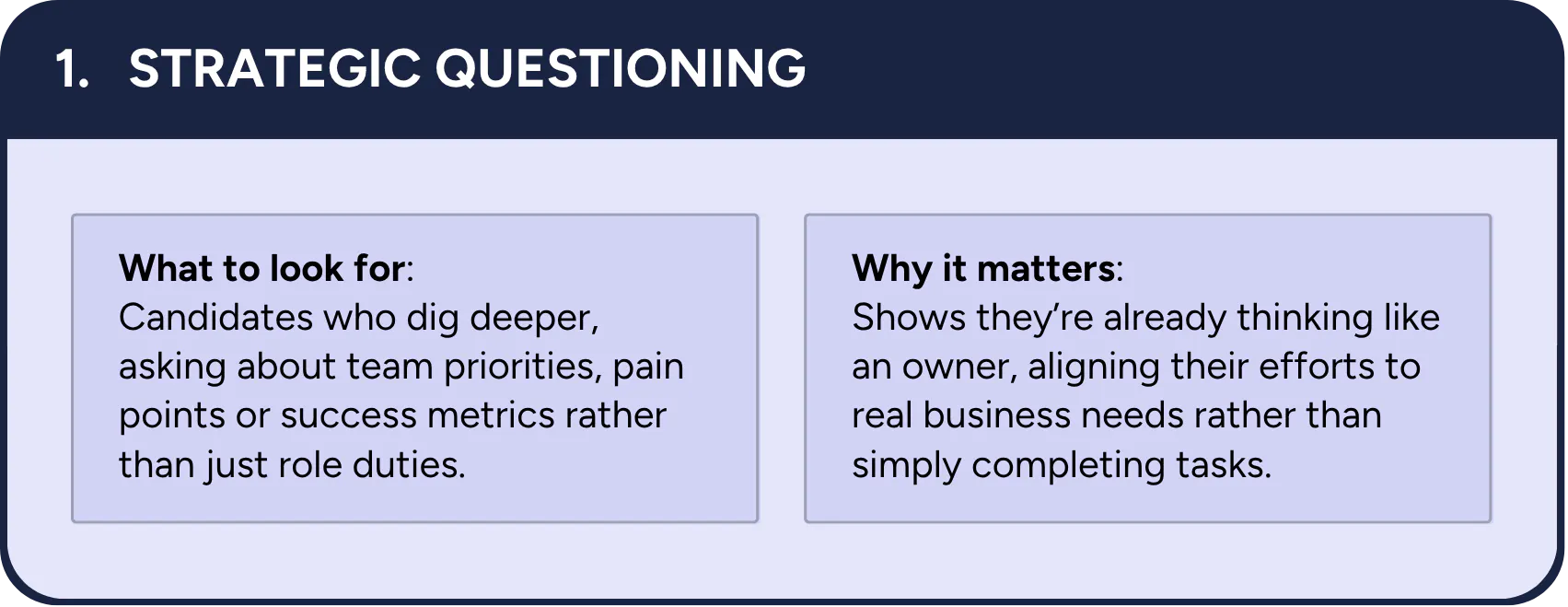
What to look for: Candidates who dig deeper, asking about team priorities, pain points, or success metrics rather than just role duties.
Why it matters: This shows they're already thinking like an owner, aligning their efforts to real business needs rather than simply completing tasks. Strategic questioners demonstrate they understand that their role exists within a larger context and they want to contribute meaningfully to organizational goals.
Measured Humility
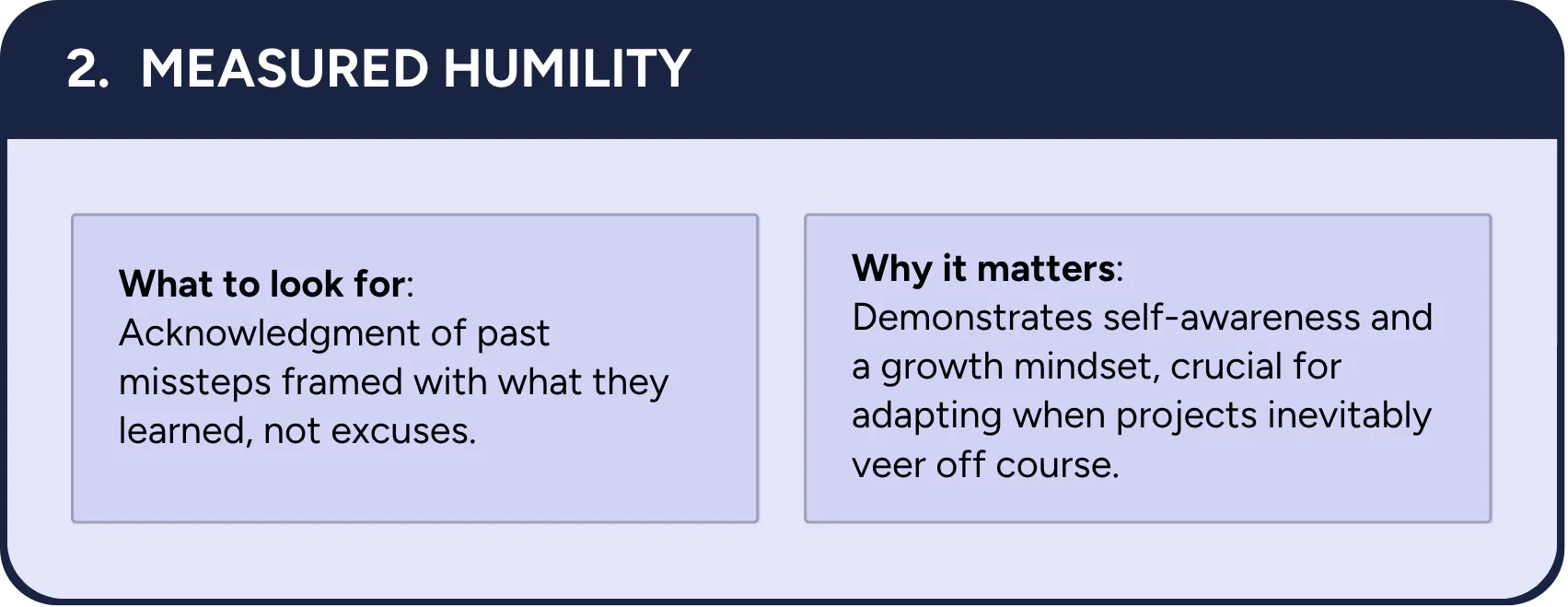
What to look for: Acknowledgment of past missteps framed with what they learned, not excuses.
Why it matters: This demonstrates self-awareness and a growth mindset, crucial for adapting when projects inevitably veer off course. High performers know that failure is part of growth and can articulate lessons learned without deflecting responsibility.
Calm Under Pressure
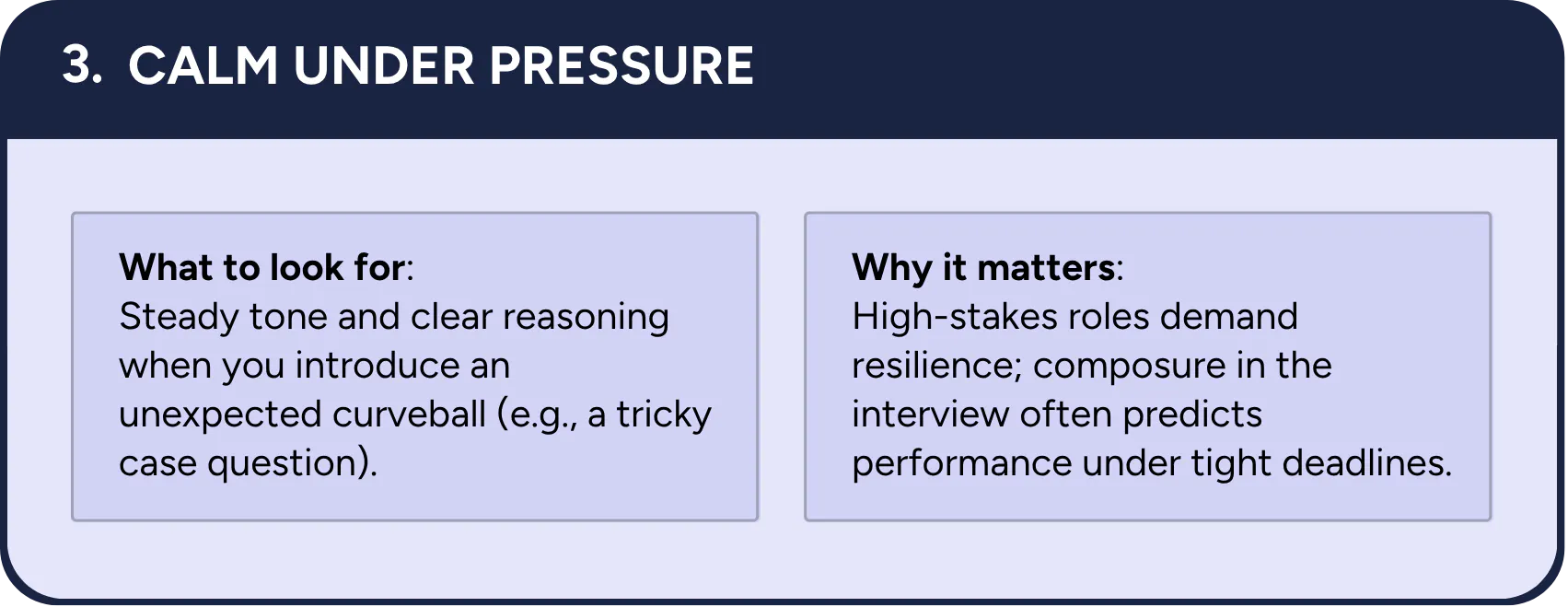
What to look for: Steady tone and clear reasoning when you introduce an unexpected curveball (like a tricky case question).
Why it matters: High-stakes roles demand resilience and composure in the interview as well as on projects with tight deadlines. This trait indicates they can think clearly when stress levels rise and won't crumble under pressure.
Contextual Storytelling
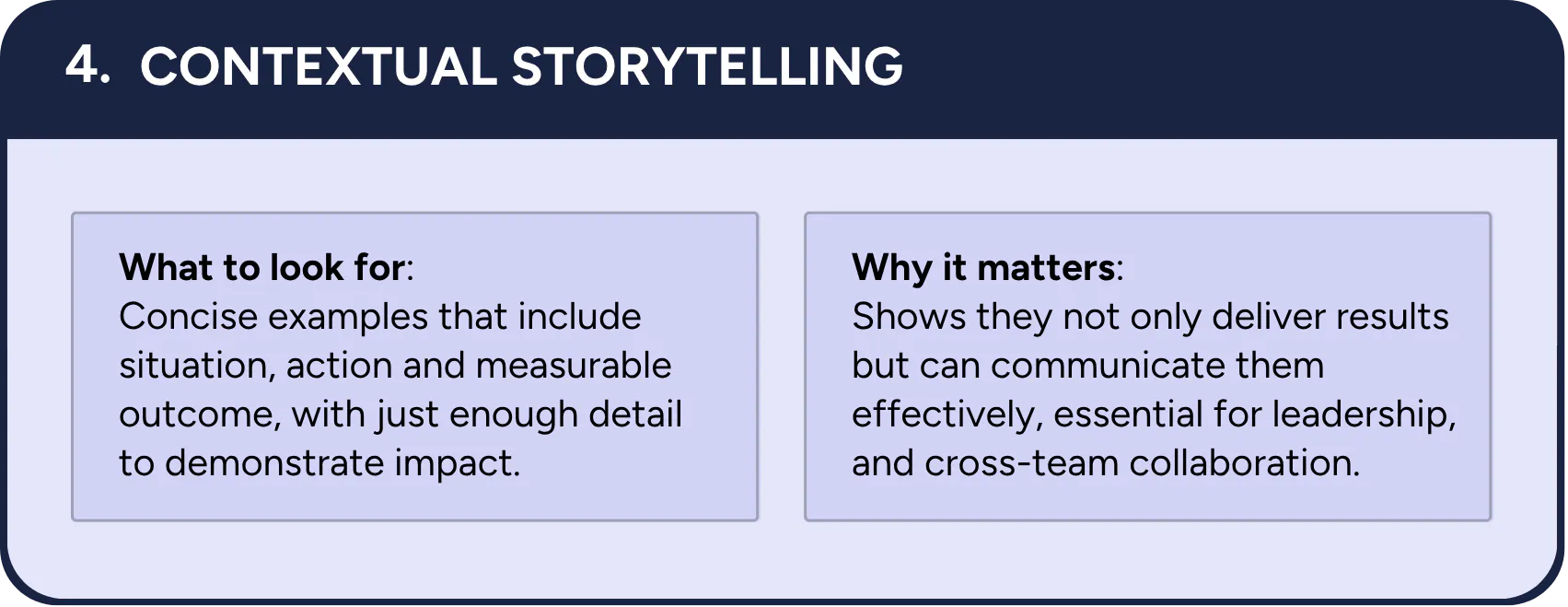
What to look for: Concise examples that include situation, action, and measurable outcome, with just enough detail to demonstrate impact.
Why it matters: This shows they not only deliver results but can communicate them effectively, essential for leadership and cross-team collaboration. They understand that impact without communication is often invisible to stakeholders.
Subtle Leadership Cues
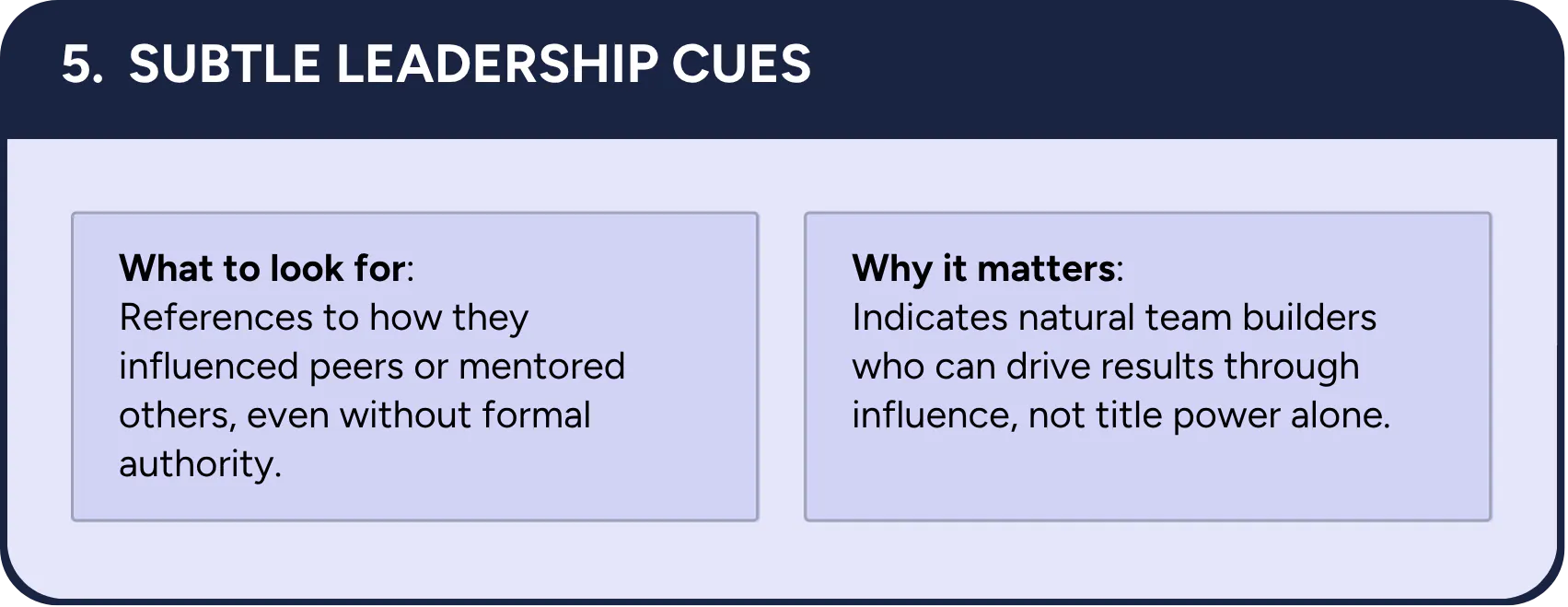
What to look for: References to how they influenced peers or mentored others, even without formal authority.
Why it matters: This indicates natural team builders who can drive results through influence, not title or power alone. These individuals often become the informal leaders that teams rally around, regardless of their position on the org chart.
Nuanced Risk Assessment
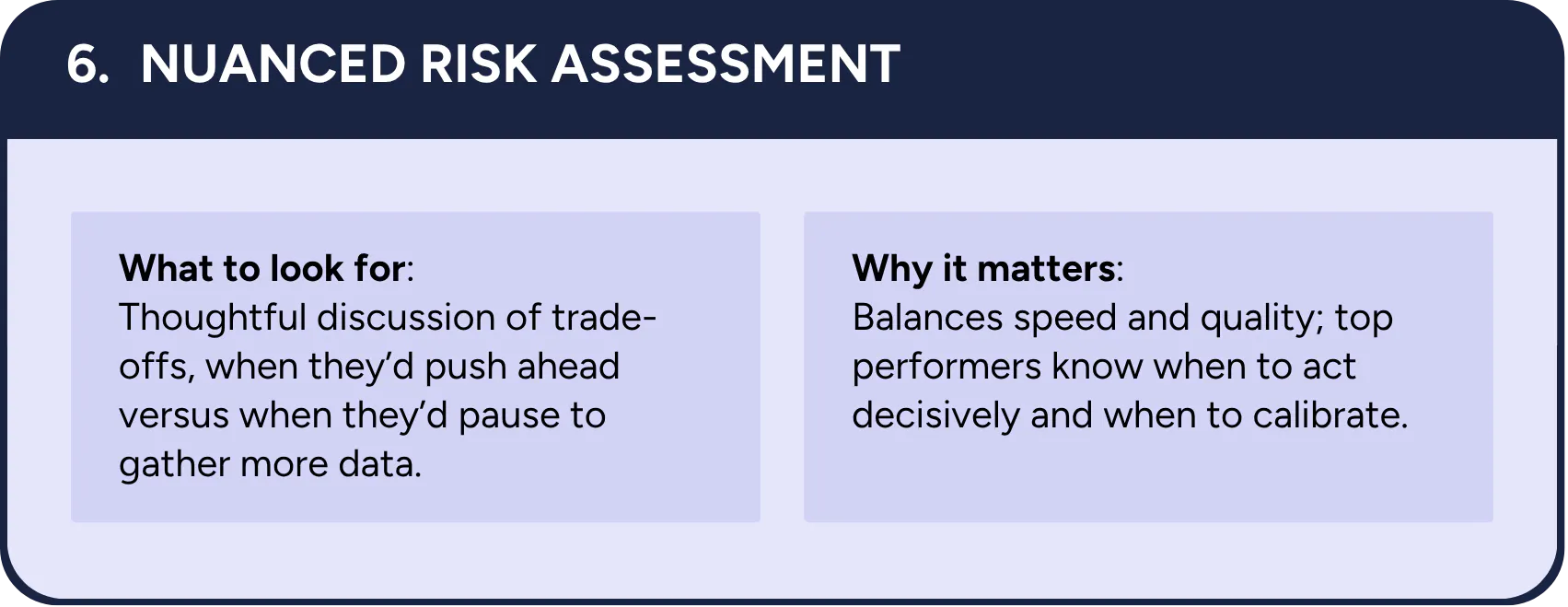
What to look for: Thoughtful discussion of trade-offs, when they'd push ahead versus when they'd pause to gather more data.
Why it matters: Balance of speed and quality. Top performers know when to act decisively and when to calibrate. They understand that both reckless speed and analysis paralysis can derail projects.
Curiosity Beyond the Job
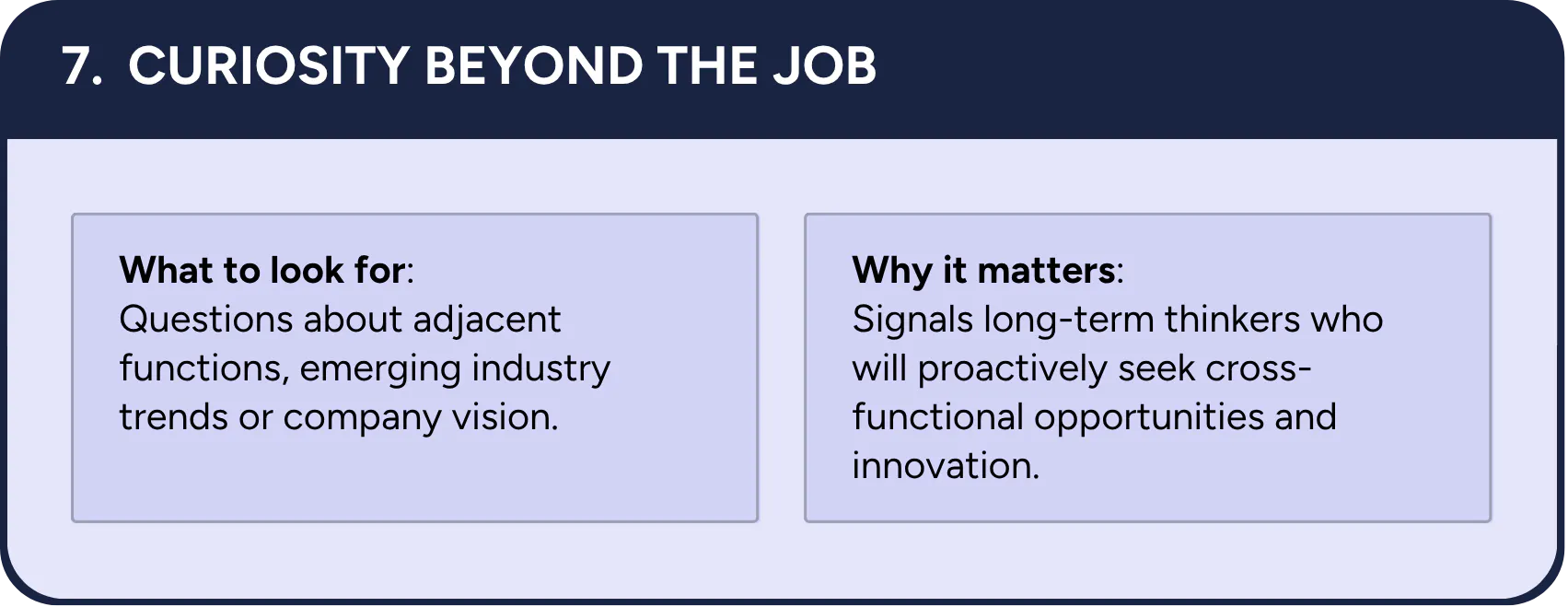
What to look for: Questions about adjacent functions, emerging industry trends, or company vision.
Why it matters: This signals long-term thinkers who will proactively seek cross-functional opportunities and innovation. They see beyond their immediate responsibilities and understand how their work fits into broader business objectives.
Prioritization Clarity
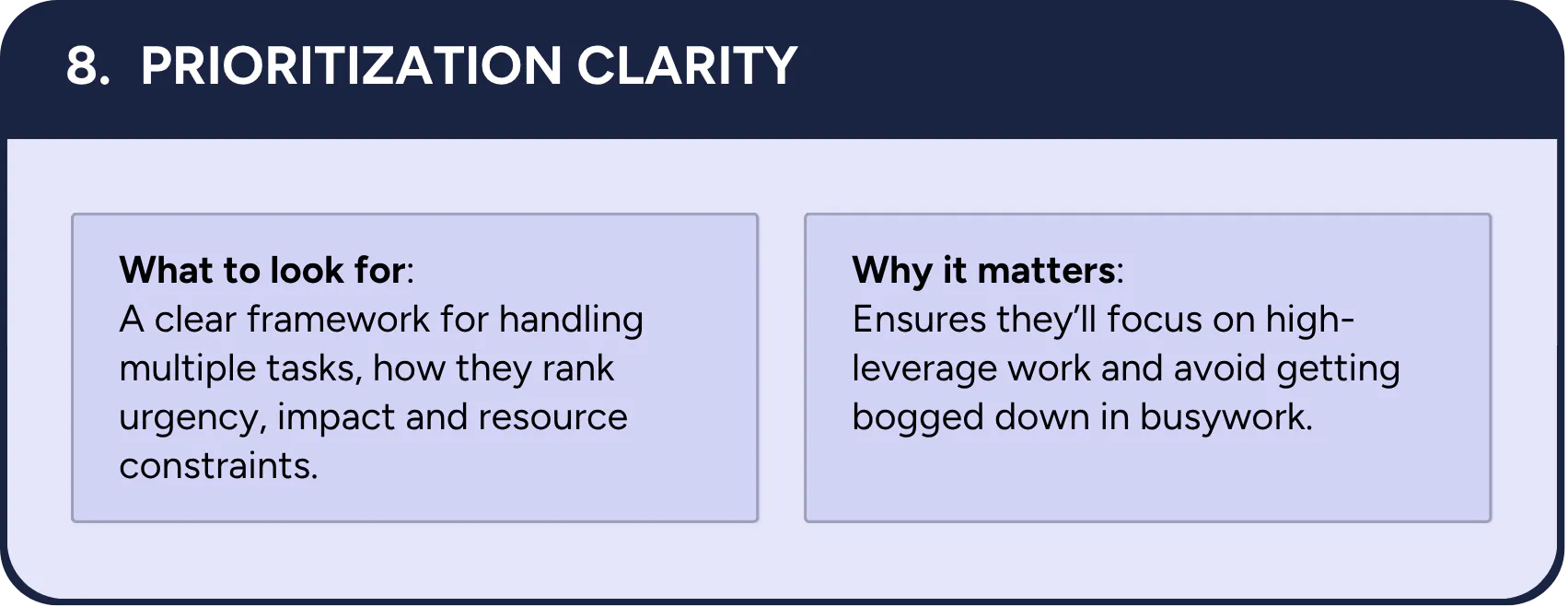
What to look for: A clear framework for handling multiple tasks, how they rank urgency, impact, and resource constraints.
Why it matters: This ensures they'll focus on high-leverage work and avoid getting bogged down in busy work. Strong prioritization skills separate contributors from high-impact performers who move the needle on what matters most.
Collaborative Mindset
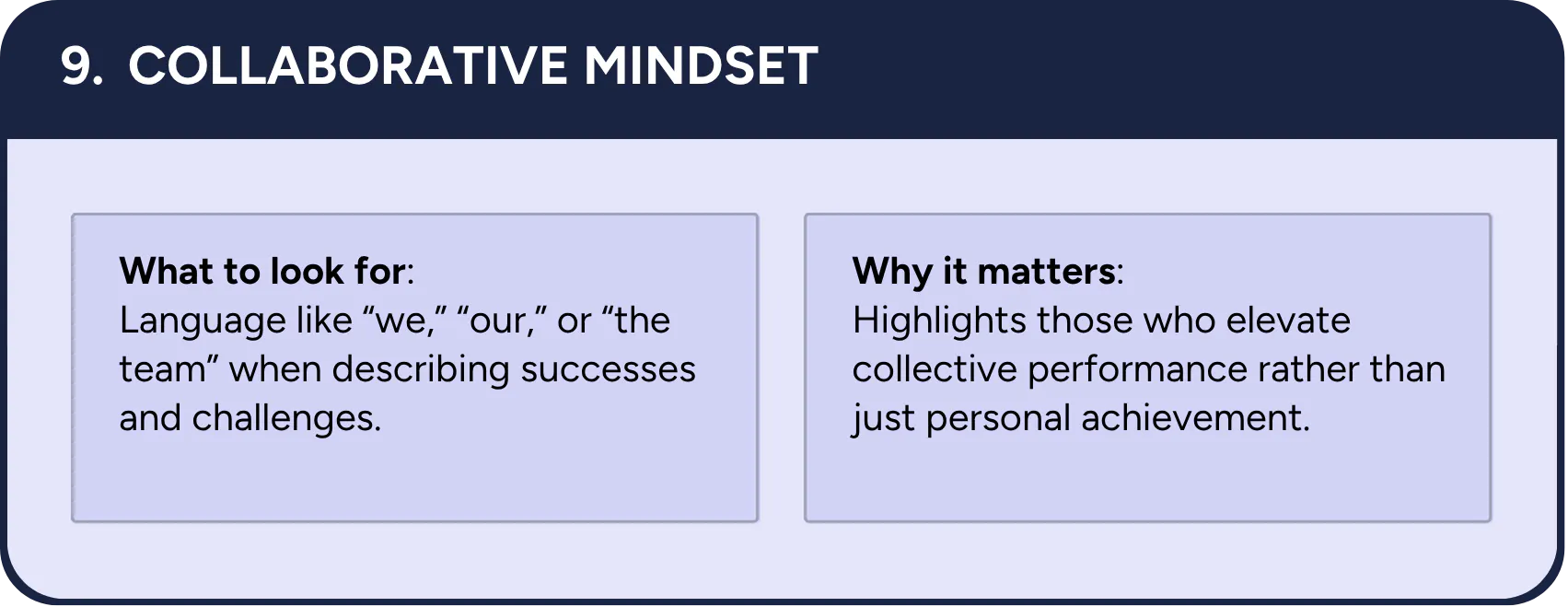
What to look for: Language like "we," "our," or "the team" when describing successes and challenges.
Why it matters: This highlights those who elevate collective performance rather than just personal achievement. Team-oriented language reveals someone who understands that sustainable success comes through others, not despite them.
Adaptive Learning
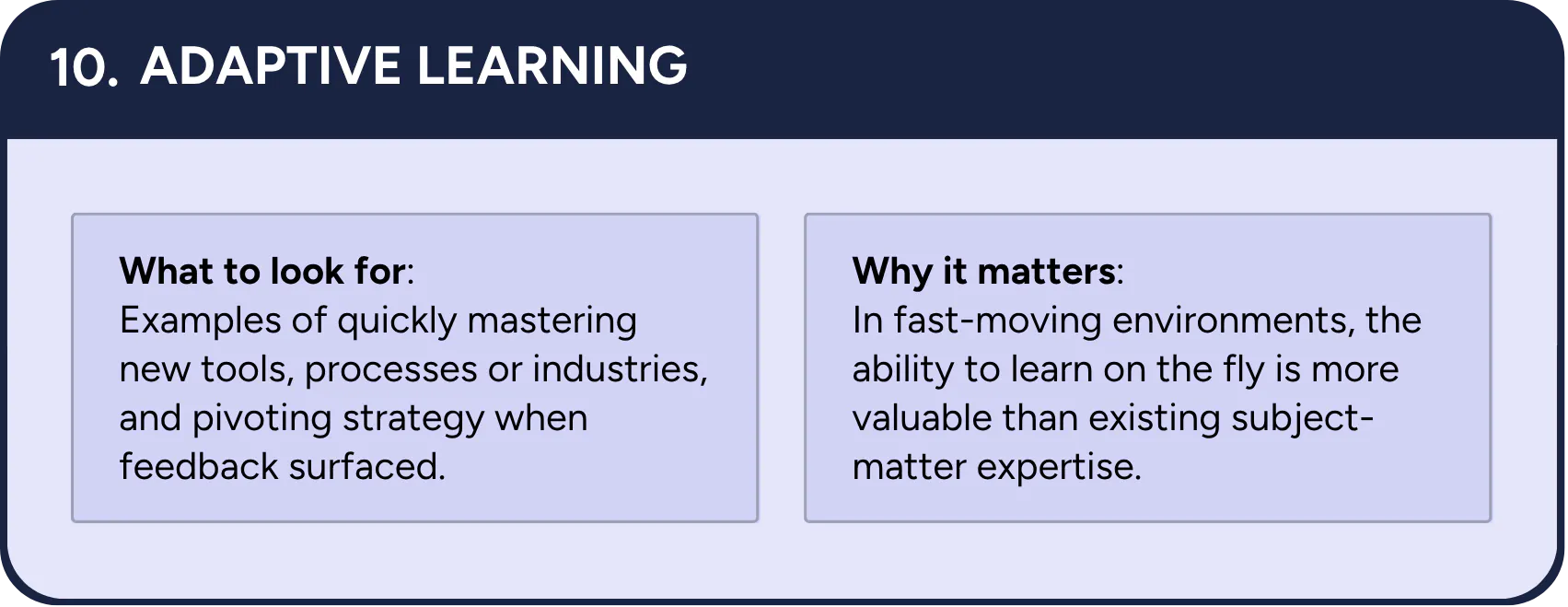
What to look for: Examples of quickly mastering new tools, processes, or industries, and pivoting strategy when feedback surfaced.
Why it matters: In fast-moving environments, the ability to learn on the fly is more valuable than existing subject-matter expertise. Adaptive learners thrive in uncertainty and can evolve their approach based on new information.
Don't Let First Impressions Dictate Your Hires
The most charismatic candidate in the room isn't always the best hire. The person who gives the most confident answers may not be the one who asks the most thoughtful questions. High performers often reveal themselves through nuance rather than noise.
Use this checklist to identify exceptional candidates that other hiring managers might overlook. While others chase perfect resumes and polished presentations, you'll be building a team of people who actually move the business forward.
The next time you're in an interview, listen for these subtle signals. They often matter more than the obvious ones everyone else is tracking.

Was this content useful?