 cord
cordEastern Europe: The Hidden Powerhouse of Remote Tech Talent
From world-class universities to unicorn startups, the region is redefining global hiring.

Eastern Europe has quietly emerged as the preferred destination for companies seeking remote developers. While tech hubs like San Francisco and London continue to drive up salary costs, and traditional outsourcing often leads to misaligned expectations and quality issues, Eastern Europe offers a compelling alternative that's gaining serious traction.
The Numbers Tell the Story
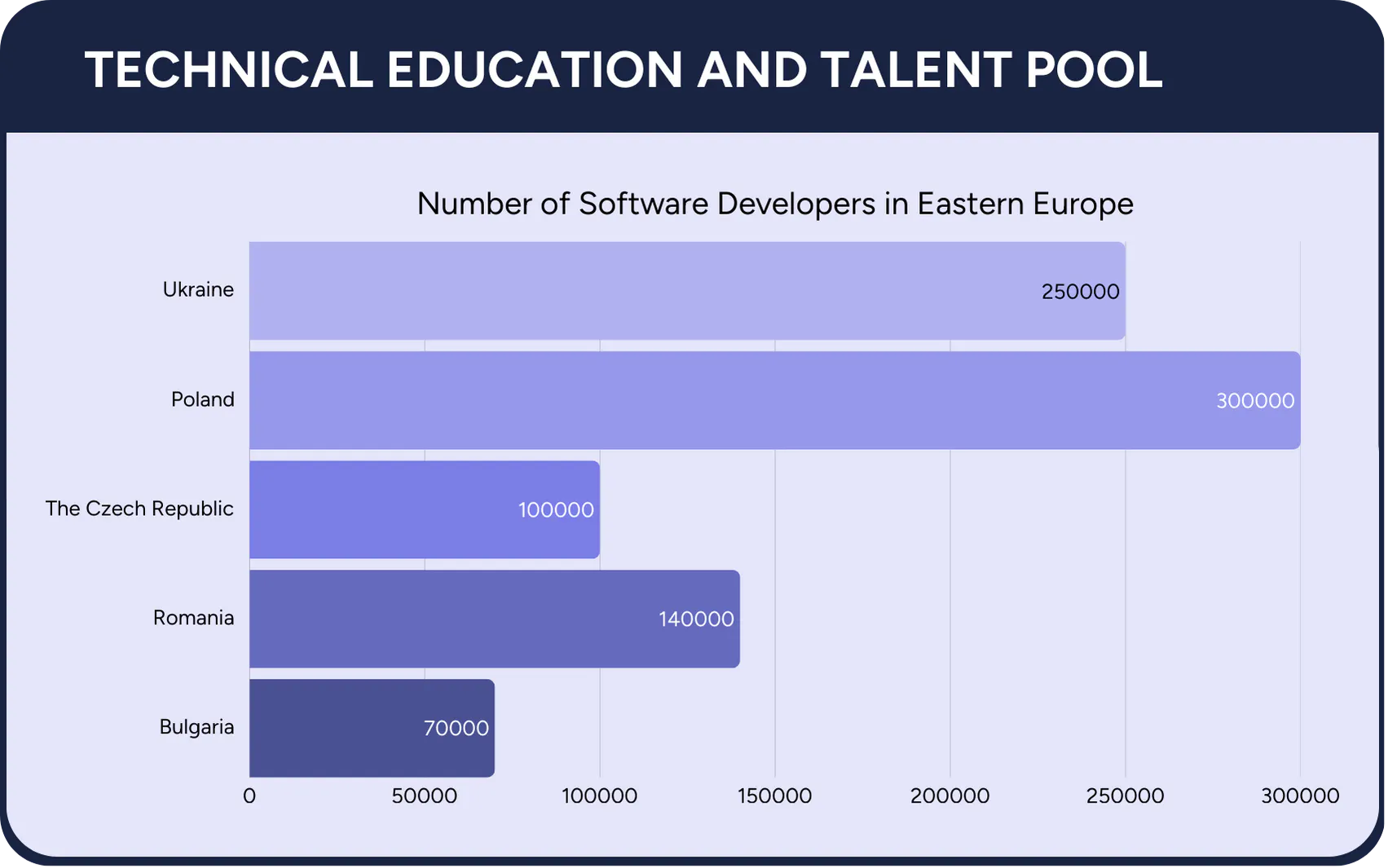
The region's technical talent pool is impressive. Ukraine leads with 250,000 software developers, followed by Poland with 300,000, Czech Republic with 100,000, Romania with 140,000, and Bulgaria with 70,000. This represents a massive reservoir of technical expertise that companies are increasingly tapping into.
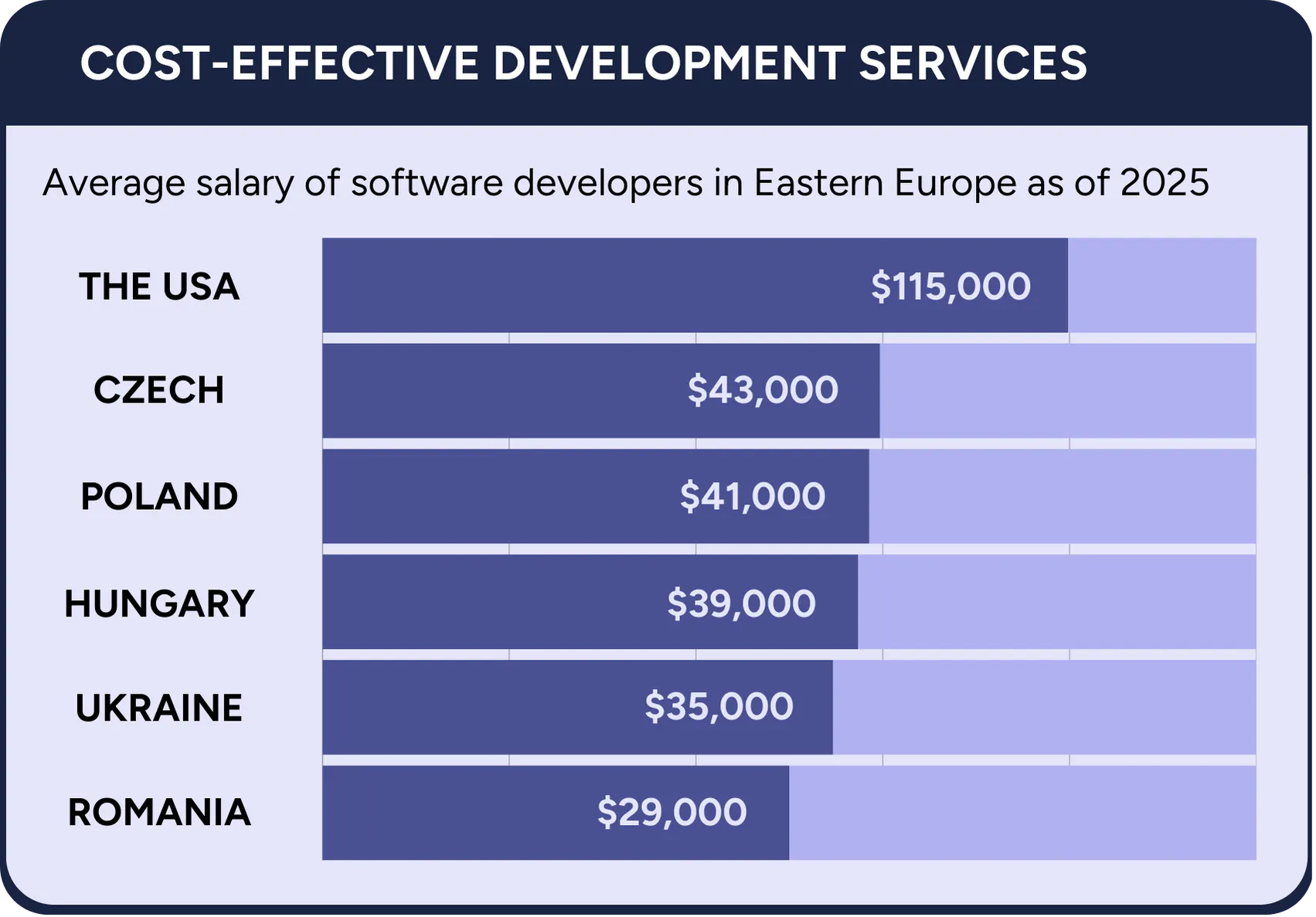
When it comes to cost-effectiveness, the difference is substantial. While the average software developer salary in the USA sits at $115,000, Eastern European countries offer significant savings without compromising quality. Czech developers average $43,000, Polish developers $41,000, Hungarian developers $39,000, Ukrainian developers $35,000, and Romanian developers $29,000. That's a 40-60% cost reduction compared to Silicon Valley rates.
What Makes Eastern Europe Stand Out
World-Class STEM Education Universities across the region are producing top-tier engineers. Institutions like Warsaw University of Technology, Kyiv Polytechnic, and Sofia University have built solid reputations for their technical programs, creating a steady pipeline of skilled developers.
High English Proficiency Eastern European countries consistently rank among the best globally for English proficiency. This translates to seamless collaboration with US and European teams, eliminating the communication barriers that often plague traditional outsourcing arrangements.
Cultural and Time Zone Alignment Work hours align perfectly with Western Europe, and there's a strong work ethic across the region. The cultural similarities make integration with existing teams much smoother than working with teams in vastly different time zones.
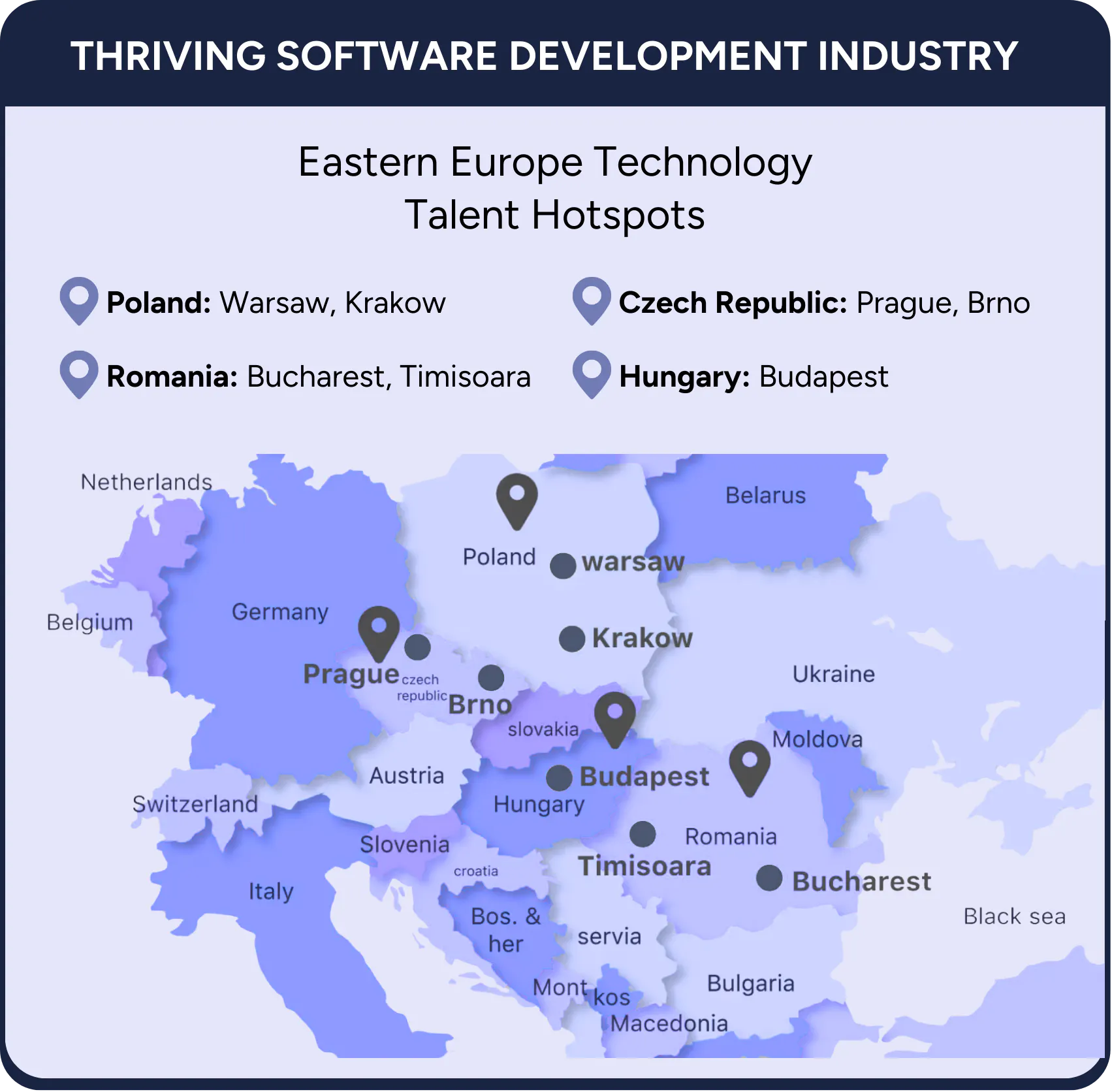
Thriving Tech Ecosystems The region isn't just about cost savings. Major tech hubs have emerged across Poland (Warsaw, Krakow), Czech Republic (Prague, Brno), Romania (Bucharest, Timisoara), and Hungary (Budapest). These cities have produced unicorns like UiPath, Grammarly, and GitLab, proving that world-class companies can be built here.
Key Strengths by Country
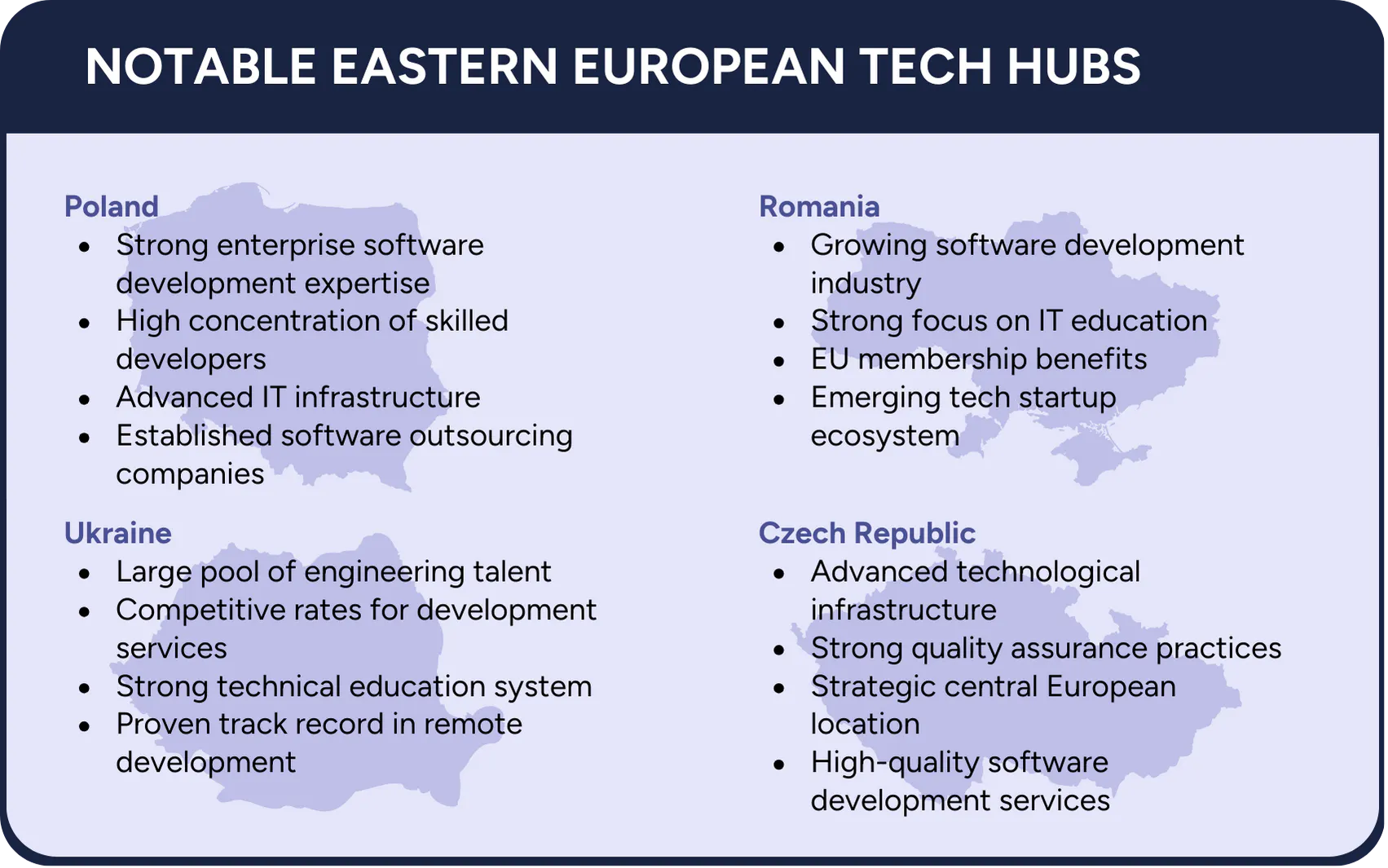
Poland has developed strong enterprise software capabilities and maintains a high concentration of skilled developers. The country has established itself as a major player in software outsourcing with robust infrastructure.
Romania features a growing software development industry with a strong focus on IT education and EU membership benefits. It's become home to an emerging tech startup ecosystem.
Ukraine boasts a large pool of engineering talent with competitive development service rates and a strong technical education system. The country has a proven track record in remote development despite recent challenges.
Czech Republic offers advanced technological infrastructure with strong quality assurance practices. Its strategic central European location and high-quality software development services make it particularly attractive.
Essential Remote Development Tools
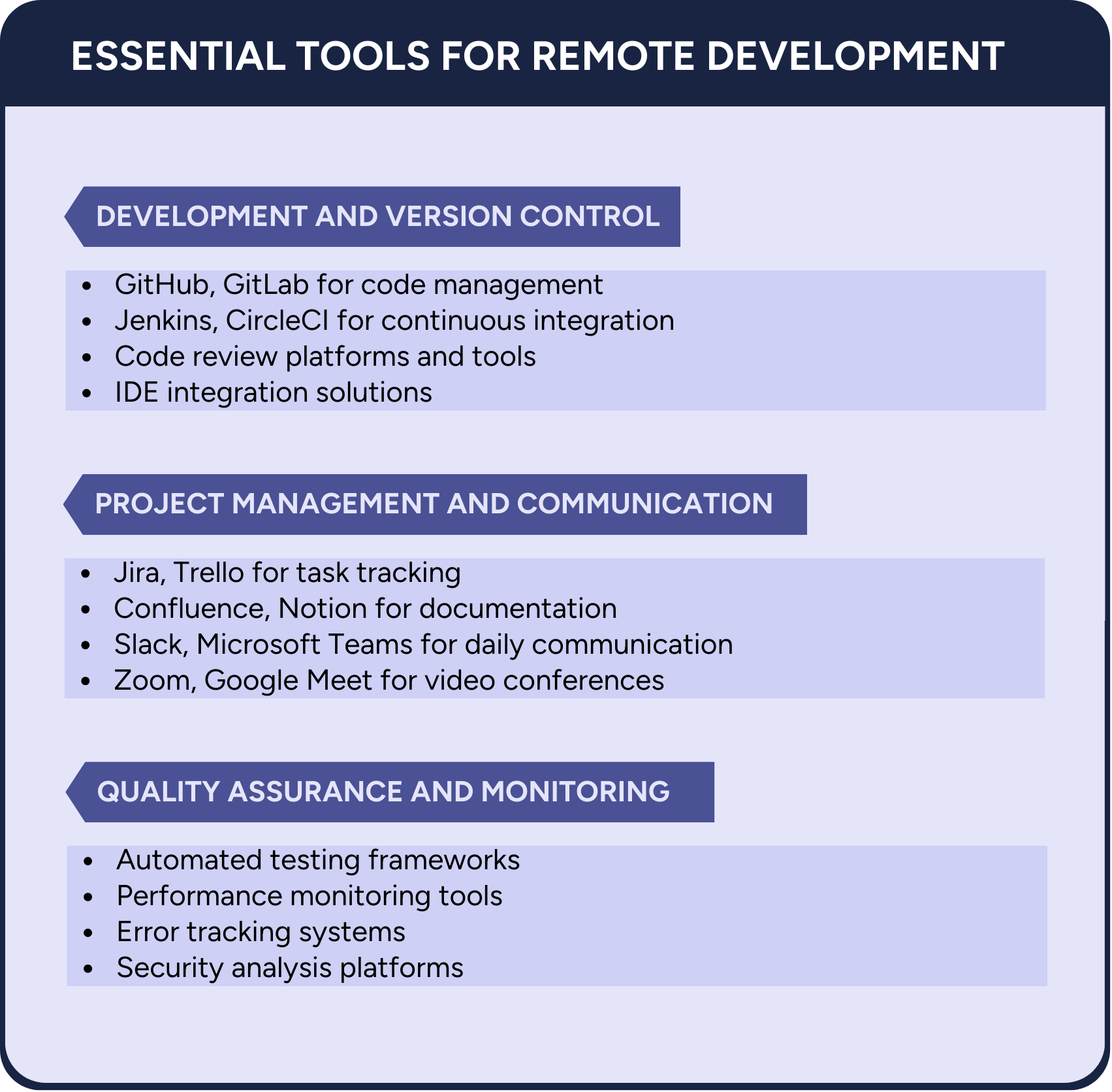
Success with remote Eastern European teams requires the right toolstack:
Development and Version Control:
- GitHub, GitLab for code management
- Jenkins, CircleCI for continuous integration
- Code review platforms and tools
- IDE integration solutions
Project Management and Communication:
- Jira, Trello for task tracking
- Confluence, Notion for documentation
- Slack, Microsoft Teams for daily communication
- Zoom, Google Meet for video conferences
Quality Assurance and Monitoring:
- Automated testing frameworks
- Performance monitoring tools
- Error tracking systems
- Security analysis platforms
The Challenges to Consider
While the benefits are clear, companies should be prepared for some challenges. Payroll and compliance can be complex when working across borders. Integrating remote developers into distributed teams requires thoughtful planning and strong processes.
Nothing completely replaces building an in-house team of world-class people, but the reality is that more companies are successfully integrating development resources from Eastern Europe. The combination of technical expertise, cost-effectiveness, and cultural alignment makes it an increasingly attractive option.
For companies struggling with high local talent costs or disappointed by traditional outsourcing experiences, Eastern Europe offers a middle ground that's worth serious consideration. The region's continued investment in technical education and growing tech ecosystems suggest this trend will only strengthen in the coming years.

Was this content useful?