 cord
cordJoining a start-up

Nick, Co-founder & CEO
over 6 months agoAre start-ups really “risky”?

Lucy, COO
over 6 months agoWhat are the benefits of joining a start-up?
I was able to reap firstly, obviously, salary, secondly, some stock options and thirdly, the most incredible progression path personally and professionally that enabled me to do ultimately what I wanted to do, which is start a business.
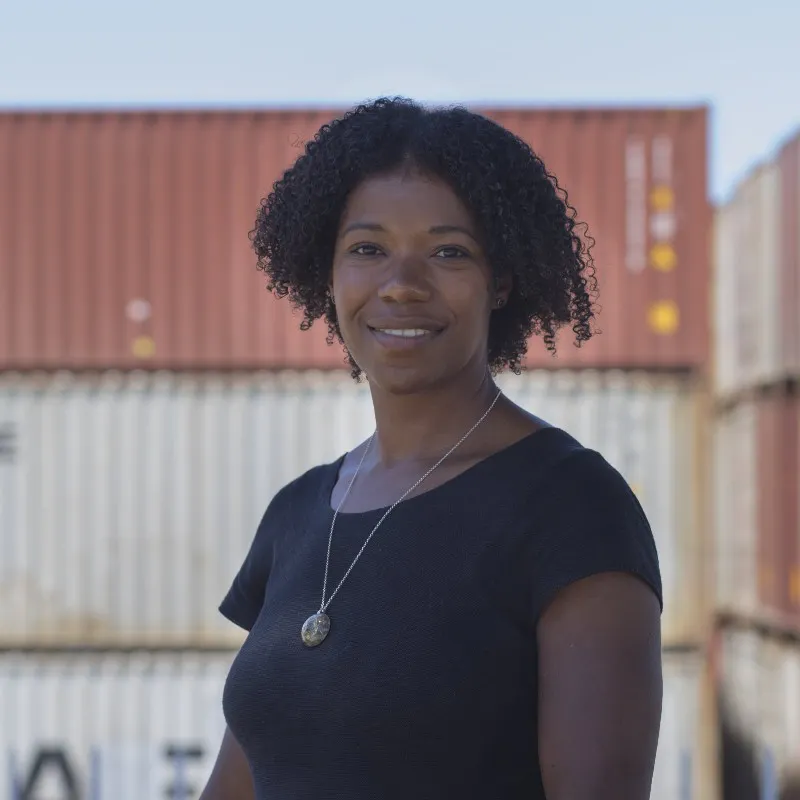
Megan Bingham-Walker, Co-Founder & CEO, Anansi Technology
over 6 months agoIs it hard to switch to working in a start-up?
For some people, a startup environment is a really good career move for them, but for other people, maybe it is better to work in a huge insurance company or a large corporate and then just where things inevitably are just going to be a little bit more slow and considered just because there's so many people that need to be involved. And that would just be maybe more in line with what they're looking for in their career at that point in time. But we've just had a colleague, she’s just joined us. She was with Sky previously. She's never worked in a startup. So this is the first time that she's working in a startup. She's finding that transition really exciting, and she's just hit the ground running. Although her role is very similar to what her role was before, the environment is very different. But she seems to be thriving with that change of pace.

Viviana Lotito, Project Manager
over 6 months agoDo big companies always feel different to small companies?
It really depends on the objective of the company, how they want to expand and how they want to grow. It doesn't really matter on the size of the business because, for example, a business has different departments with different objectives. They're working together towards the same goal, but sometimes what a department is doing is a bit independent. And I believe that within the department, you still have some margin to do certain things. So if the senior management doesn't allow that or doesn't promote that, it doesn't matter the size of the business, the problem is still there.
I also believe that the change happens from the top-down, always. So even if it is a small company, I think, is always going to be the CEO or the CTO, the CFO, which is going to make the difference in the culture. And the same thing is going to be in the big company, seeing your head of department where he is, should be listening to top-down and make the change from the bottom-up. But this is my humble opinion. I might be wrong, but I believe that there are some things, if you really want your employees to be happy, I'm pretty sure that is something that you can always do.

Theo, CTO
over 6 months agoWhat does Best Work mean in a start-up?
What I like about start-ups is that there's no company, there is no product, there is no sales, there's nothing without the people. The start-up will grow, if the people will grow. The product will be built, if the people are building it, everything happens because the people are there. And when you're in corporate, you have this mindset being just part of this whole engine, but in the start-up, every single person is the start-up. And it's the same thing on the other way, if something goes bad or if you feel bad, the start-up will start going down. So it's a much, much closer approach to yourself and the work you do and obviously being proud and doing something that you love it'll resonate into also the work that you do.
People
Nick
Co-founder & CEO
Megan Bingham-Walker
Co-Founder & CEO, Anansi Technology
Viviana Lotito
Project Manager
Discussions you may like
Becoming a founder
Discussion started over 6 months ago.


Product-person fit
Discussion started over 6 months ago.



The risky path of going out there and trying something, usually isn't quite as scary, because you have all sorts of diverse skills, probably many of which you never even realised you have, for roles that you probably don't even realise exist. And by going out there and discovering some of these and taking the leap, you'll probably open up many more doors that would've never even been in your consciousness or that you'd even been on aware of had you not gone out and taken that risk. When you start your career, it's whatever jobs you've heard about in school, being a lawyer, a doctor, a banker. All the roles that you have in a startup, for example, you never know about when you leave school. These roles that are super cool and really interesting, but they're not going to appear on your high school or your university career site.
And so I think that's why the risky path probably isn't as risky, because it'll actually open up so many more doors to you and so many more things that you'd never thought of. And I think that's why when thinking about risk, it's like, well actually maybe it's a little bit scary leaving something that's secure and stable, but actually you open so many other doors that were never previously opened to you, that that's probably de-risking rather than adding risk. I suppose you can think, if you got 20 years into your career and have only done one thing and that's very common in older generations, but in this generation that might actually make it harder to move more often if you've just done 20 years all in the same place. And so exploring and discovering things feels actually like the less risky option.